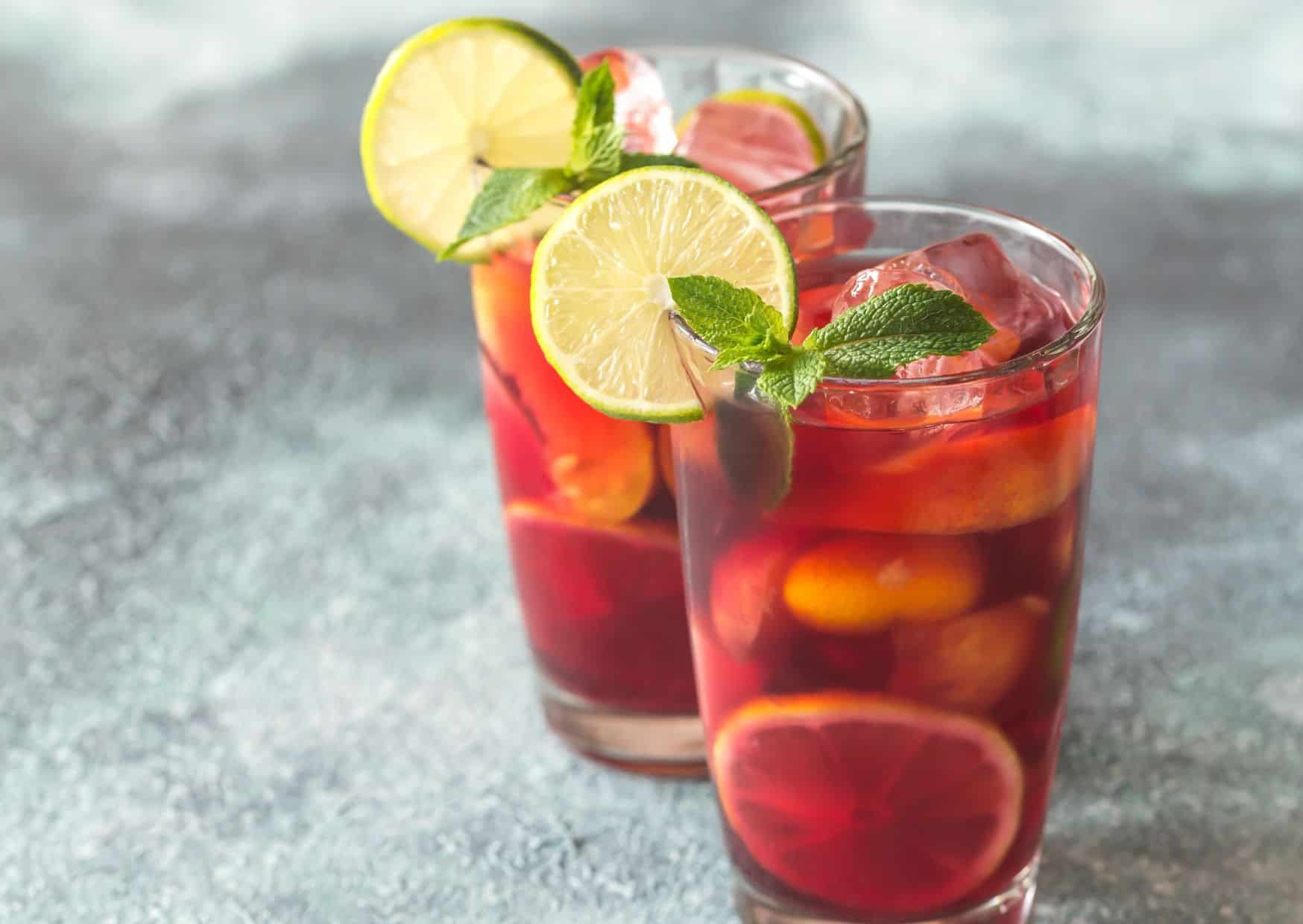
Choose Your Blend: Best Wine & Fruit for Refreshing DIY Sangria
There’s nothing quite like a pitcher of homemade sangria to kick off a party, brighten a summer afternoon, or simply elevate a casual gathering. This vibrant, fruit-infused wine punch, with its roots in Spain and Portugal, has become a global favorite not just for its refreshing taste but also for its remarkable simplicity and endless customizability. The beauty of
DIY sangria lies in the freedom it offers: you're the master of your blend, crafting a drink that perfectly suits your palate and the occasion. While many ingredients can contribute to a stellar sangria, the true heart and soul of this festive beverage lie in two key components: the wine and the fruit. Getting these selections right is crucial for a memorable and delicious result.
The Foundation: Choosing the Best Wine for Your DIY Sangria
The wine forms the essential base of any sangria, setting the tone for its overall character. Think of it as your canvas. While you should certainly pick a wine you enjoy drinking on its own, there's no need to splurge on an expensive bottle. In fact, sangria is a brilliant way to transform a more affordably priced wine into something spectacular. The added fruit, spirits, and sweeteners will round out and enhance its profile, making it a fantastic value proposition for entertaining.
For a traditional Spanish red wine sangria, aim for a wine that is:
- Fruity: Look for wines with prominent red or dark fruit notes.
- Not too acidic: Excessive acidity can clash with the fruit and other ingredients, leading to a sharp rather than smooth finish.
- Low in tannins: High-tannin wines can become astringent when mixed, creating an unpleasant mouthfeel.
Excellent choices for red wine sangria include:
- Garnacha (Grenache): Known for its juicy red fruit flavors and often lower tannins.
- Rioja (Crianza or Joven): These younger Riojas are typically fruit-forward and less tannic than their aged counterparts.
- Pinot Noir: A lighter-bodied red with bright cherry and raspberry notes, often low in tannins.
- Malbec: Offers rich plum and blackberry flavors with a smooth finish.
- Merlot: Soft and approachable, with notes of red fruit and a mellow character.
Wines to
avoid generally include high-tannin varietals like Cabernet Sauvignon, which can make your sangria taste bitter or overly dry.
But
DIY sangria isn't just about red wine! The world of sangria extends to crisp white and elegant rosé variations. For white sangria, consider dry, aromatic white wines such as Pinot Grigio, Sauvignon Blanc, or unoaked Chardonnay. Rosé wines, with their delicate fruit profiles, are also fantastic for lighter, spring or summer-themed sangrias. Exploring these different wine bases truly unlocks endless possibilities for customization. For more on how to expand your sangria repertoire, check out our guide on
Beyond Classic Red: Explore Endless Sangria Variations & Tips. Always remember, the best wine is the one that brings you joy and serves as a delicious canvas for your fruit blend!
The Flavor & Visual Appeal: Selecting Fruits for Your DIY Sangria
Once you’ve chosen your wine, it’s time to add the vibrant heart of your sangria: the fruit. Fruit serves a dual purpose in sangria: it infuses the wine with fresh, summer-inspired flavors and creates a stunning, visually appealing presentation in your pitcher or punch bowl. To ensure your sangria looks as good as it tastes, it’s essential to select fruits that are sturdy enough to hold their shape and flavor without disintegrating after soaking in the wine.
Here are some top fruit choices for your
DIY sangria, categorized for easy blending:
Citrus Fruits:
- Oranges: A classic for a reason! Oranges add sweetness, acidity, and a beautiful color. Both slices and wedges work well.
- Lemons/Limes: A few slices can brighten the entire blend, offering a zesty counterpoint to sweeter elements.
Stone Fruits:
- Peaches: Sweet, fragrant, and juicy, peaches are perfect for summer sangrias. Make sure they’re ripe but firm.
- Nectarines: Similar to peaches but with a smoother skin, offering a delightful sweetness.
Berries:
- Strawberries: Their vibrant color and sweet-tart flavor are irresistible. Halved or sliced, they’re a sangria staple.
- Raspberries/Blackberries: Add a burst of intense berry flavor and a beautiful dark hue, especially good with red wine sangrias.
Pomes & Tropical Fruits:
- Apples: Offer a crisp texture and mild sweetness. Green apples add a tart bite, while red apples provide sweetness and color.
- Pears: A softer option than apples, providing a delicate sweetness.
- Pineapple: For a tropical twist, pineapple chunks add a juicy, tangy sweetness that pairs surprisingly well with many wines.
Expert DIY Tip: Before adding your fruit to the wine, consider a step called "maceration." Simply mix your chopped fruit with a tablespoon or two of sugar (or your chosen sweetener) in a separate bowl and let it sit at room temperature for about 20-30 minutes. This draws out the fruit’s natural juices and flavors, creating a more intense and harmonious infusion when combined with the wine. Using seasonal fruits will always yield the best flavor, so embrace what's fresh and local!
Beyond Wine & Fruit: Elevating Your DIY Sangria
While wine and fruit are the stars, a few supporting actors can truly round out your
DIY sangria and tailor it to your exact preferences. These optional additions allow for even greater customization, letting you control the potency, sweetness, and effervescence of your blend.
Liquor:
For a true cocktail experience, a splash of liquor adds depth and an extra kick.
- Brandy: The most traditional choice, brandy complements the fruit and wine beautifully, especially in red sangria.
- Fruit Schnapps: Peach, apple, or berry schnapps can enhance specific fruit flavors in your mix.
- Rum: Light or dark rum can introduce a touch of warmth and sweetness, particularly good with tropical fruit blends.
- Cognac: A sophisticated alternative to brandy, adding complexity.
Remember, you can always omit the liquor entirely for a lighter, less alcoholic punch, or dilute with sparkling water to lower the alcohol content.
Sweeteners:
The need for additional sweetener largely depends on the sweetness of your wine, the ripeness of your fruit, and your personal preference. Many choose to skip this step, but if you find your sangria needs a little balance, opt for natural sweeteners that dissolve easily.
- Maple Syrup: Adds a rich, subtle flavor.
- Granulated Sugar: A classic, simple choice.
- Agave Nectar: A healthier, natural option with a neutral taste.
- Simple Syrup: Easy to make at home (equal parts sugar and water, heated until dissolved), it blends seamlessly into cold liquids.
Dilution & Effervescence:
For a lighter, more refreshing, or less potent drink, consider adding a carbonated element just before serving.
- Sparkling Water or Club Soda: Adds effervescence without adding much flavor.
- Lemon-Lime Soda: For a sweeter, fruitier fizz.
- Ginger Ale: Provides a subtle spicy kick.
For a complete guide on how to combine all these elements into a fantastic pitcher, be sure to read
DIY Sangria: Your Easy Guide to Crafting the Perfect Pitcher.
Crafting Your Signature DIY Sangria: Tips for Success
Creating your perfect
DIY sangria is a journey of delightful experimentation. Here are some final tips to ensure every pitcher is a hit:
- Chill Time is Crucial: After mixing all your ingredients, refrigerate your sangria for at least 2-4 hours, or ideally overnight. This allows the flavors to meld beautifully and the fruit to properly infuse the wine.
- Taste and Adjust: Before serving, always taste your sangria. Does it need more sweetness? A splash of citrus? A bit more liquor? Don't be afraid to adjust to your liking.
- Garnish Generously: A visually appealing sangria is half the fun! Garnish individual glasses with extra fruit slices, a sprig of mint, or a fancy stirrer.
- Ice, But Not Too Much: Serve sangria over ice, but avoid adding ice to the pitcher too early, as it can dilute the flavors.
- Consider Batch Size: Sangria is perfect for crowds. A standard bottle of wine (750ml) typically yields about 6-8 servings when combined with fruit and other liquids. Scale up or down as needed.
Conclusion
The art of crafting
DIY sangria is a delightful blend of simplicity and creativity. By carefully selecting your wine – opting for fruity, low-acid, low-tannin varieties – and pairing it with sturdy, flavor-packed fruits, you lay the groundwork for a truly exceptional drink. Whether you stick to classic red blends or venture into white or rosé territory, the power to customize is in your hands. So, gather your chosen ingredients, embrace the spirit of experimentation, and get ready to stir up a pitcher of homemade sangria that’s perfectly refreshing, uniquely yours, and always a party in a pitcher. Cheers to your next delicious creation!