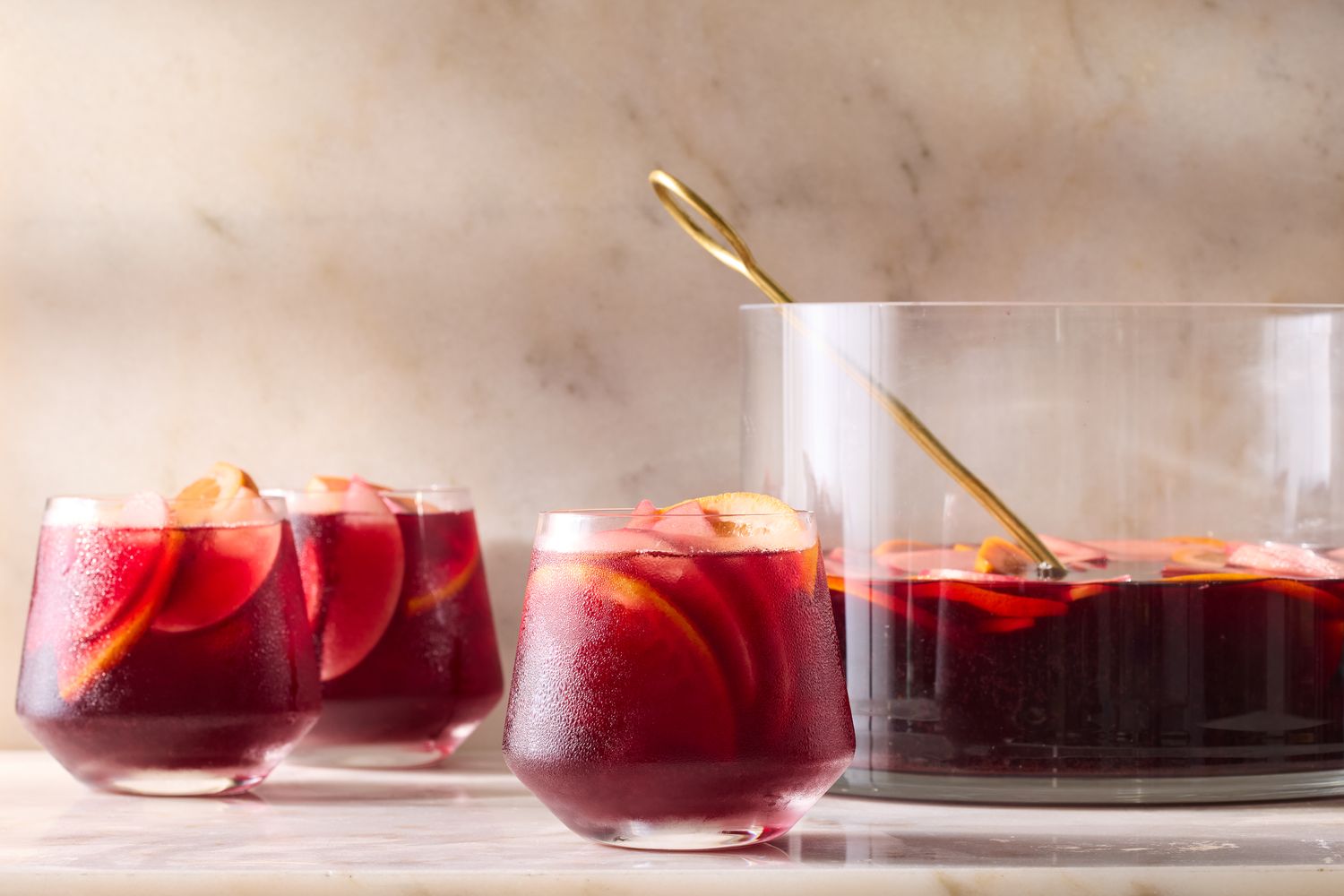
The Enduring Appeal of DIY Sangria: More Than Just a Drink
Sangria, with its vibrant colors and refreshing flavors, embodies the spirit of celebration. Originating from the sun-drenched regions of Portugal and Spain, this iconic wine punch has transcended its traditional red form to become a global favorite. What makes it truly special? Its incredible versatility and the sheer joy of crafting your own pitcher. When you embark on a DIY sangria adventure, you're not just mixing a drink; you're orchestrating a symphony of flavors, tailored precisely to your taste. It's an instant party starter, an elegant accompaniment to any meal, and surprisingly, one of the easiest festive beverages to master.
Forget the notion that sangria is confined to a single recipe. While the classic red will always hold a special place, the beauty of homemade sangria lies in its boundless potential for customization. From crisp white wines to blushing rosés, and an infinite array of fruits, spirits, and sweeteners, the combinations are truly endless. This article will guide you through the fundamental building blocks of this delightful concoction, provide inspiration for exciting sangria variations, and equip you with expert tips to elevate your next homemade batch.
The Core Components: A Flexible Foundation for Your Creations
At its heart, any great sangria begins with a few key elements. Understanding these components and their roles allows you to experiment with confidence and create unique blends that truly shine.
- The Wine: The Soul of Your Sangria
Choosing the right wine is crucial, but don't feel pressured to splurge. Sangria is famously forgiving and an excellent way to elevate a moderately priced bottle. The golden rule: pick a wine you would genuinely enjoy drinking on its own. For traditional red sangria, opt for fruity, less tannic varieties. Excellent choices include Garnacha (Grenache), Rioja, Pinot Noir, Malbec, or Merlot. These wines offer a pleasant fruit-forward profile without overwhelming bitterness. Steer clear of high-tannin wines like Cabernet Sauvignon, which can become astringent when mixed.
For those venturing beyond red, dry white wines like Pinot Grigio, Sauvignon Blanc, or unoaked Chardonnay work wonderfully for a lighter profile. Rosé wines, with their delicate fruit notes, are also fantastic contenders. Remember, the goal is balance, so consider the wine's inherent characteristics when planning your fruit and liquor additions. For more detailed guidance on selecting the perfect base, check out our guide on Choose Your Blend: Best Wine & Fruit for Refreshing DIY Sangria.
- The Fruit: Flavor, Texture, and Visual Appeal
Fruit is not just a garnish; it's a vital flavor contributor and a key part of sangria's beautiful presentation. You'll want to choose sturdy fruits that can withstand a good soak without disintegrating. Excellent choices include:
- Oranges & Lemons: Classic citrus notes, always refreshing.
- Apples & Pears: Offer a crisp texture and absorb flavors beautifully.
- Strawberries & Peaches: Introduce sweet, summery essences.
- Pineapple: Adds a tropical twist.
Beyond these staples, consider seasonal fruits to enhance your sangria's appeal. Berries, grapes, kiwi, and even melons can be fantastic additions. Always wash your fruit thoroughly and chop it into bite-sized pieces to ensure maximum flavor release into the wine.
- The Liquor (Optional, but Recommended for Depth)
A splash of liquor transforms sangria from a wine punch into a true cocktail. Brandy is the most traditional choice, offering a warming complexity that complements red wine beautifully. However, don't hesitate to experiment! Fruit schnapps can amplify specific fruit notes, rum adds a touch of sweetness and Caribbean flair, and cognac provides a luxurious depth. If you prefer a lower alcohol content, you can reduce or omit the liquor entirely, or dilute the final mixture with sparkling water.
- The Sweetener (To Taste)
The need for sweetener depends heavily on your chosen wine, fruit, and personal preference. Some prefer a dry sangria, relying solely on the natural sweetness of the fruit. If you do add a sweetener, natural options like maple syrup, agave nectar, simple syrup (equal parts sugar and water, heated until dissolved), or granulated sugar work best. Start with a small amount, taste, and adjust until you achieve your desired balance.
- The Mixer (For Balance and Fizz)
Fruit juice (orange, cranberry, pineapple) can enhance fruit flavors and add a pleasant tang. Sparkling water, club soda, or even a splash of ginger ale can lighten the drink and add a delightful effervescence, especially just before serving. This is a great way to stretch your sangria or simply make it more refreshing on a hot day.
Mastering the Classic Red: A Foundation for Your DIY Sangria Journey
Before diving into a world of variations, understanding the preparation of a classic red sangria provides a solid foundation. The general process is straightforward, emphasizing time for flavors to meld.
- Macerate the Fruit: Begin by combining your chopped sturdy fruits (like oranges, apples, lemons) with a spoonful or two of sugar in your pitcher. Let this mixture sit at room temperature for about 20-30 minutes. This crucial step, known as maceration, draws out the fruit's juices and helps its flavors permeate the other liquids more effectively.
- Add Liquids: Pour in your chosen red wine, brandy (if using), and any fruit juice. Give it a gentle stir.
- Chill to Perfection: This is arguably the most important step for any diy sangria. Refrigerate the sangria for at least 1 to 4 hours, or even overnight. This allows all the individual flavors to marry and develop into a harmonious whole. Rushing this step will result in a less complex, less satisfying drink.
- Serve: Just before serving, you can add any softer fruits (like berries), sparkling water, or club soda to taste. Serve over ice.
This method forms the blueprint for countless sangria recipes, demonstrating that sangria is truly more of a flexible formula than a rigid set of instructions.
Beyond Red: Unveiling a Spectrum of Sangria Variations
The beauty of diy sangria truly shines when you start exploring its diverse variations. Here’s a look at how you can transform this classic into something new for every season and occasion.
White Sangria: Light, Crisp, and Refreshing
Perfect for warmer weather, white sangria offers a lighter, often brighter profile than its red counterpart.
- Wine Choices: Opt for dry, crisp white wines such as Pinot Grigio, Sauvignon Blanc, Albariño, or a dry Riesling.
- Fruit Pairings: Citrus fruits (lemon, lime, orange), green apples, pears, peaches, nectarines, kiwi, and white grapes are excellent. Berries like raspberries and blackberries also add a lovely contrast.
- Liquor/Mixer: White rum, peach schnapps, elderflower liqueur, or Cointreau work well. Top with sparkling water or lemon-lime soda for a refreshing fizz.
- Seasonal Twist: For a summer vibe, try tropical fruits like mango and pineapple with coconut rum.
Rosé Sangria: Elegant and Aromatic
Rosé sangria is a delightful middle ground, visually stunning with its pale pink hue and often carrying delicate floral and red berry notes.
- Wine Choices: A dry rosé wine is ideal. Look for varieties with notes of strawberry, cherry, or watermelon.
- Fruit Pairings: Strawberries, raspberries, sliced peaches, and a hint of mint or basil complement rosé beautifully.
- Liquor/Mixer: Gin (for botanical notes), St-Germain (elderflower liqueur), or a touch of rosé vermouth can elevate the flavor. Finish with sparkling rosé or club soda.
Seasonal Sangria Adventures: A Year-Round Delight
Sangria isn't just for summer! Adapting your ingredients to the season allows you to enjoy this versatile drink all year long.
- Autumn Harvest Sangria:
Embrace the flavors of fall with a red wine base (like Merlot) infused with apple cider, sliced apples (Granny Smith or Honeycrisp), pears, cranberries, and oranges. A touch of cinnamon sticks, star anise, or a splash of spiced rum or apple brandy will evoke cozy autumn evenings.
- Winter Wonderland Sangria:
Perfect for festive gatherings, this variation often features rich red wine with pomegranate seeds, orange slices, and perhaps a few whole cloves or star anise. A splash of Cointreau or a dark fruit liqueur like cassis can deepen the flavor profile, creating a warming, sophisticated drink.
- Spring Awakening Sangria:
Celebrate the arrival of spring with a lighter white or rosé sangria. Think fresh strawberries, blueberries, cucumber slices, and mint. Elderflower liqueur can add a delicate floral note, while a splash of sparkling wine (Prosecco or Cava) adds celebratory bubbles.
Frozen Sangria: A Chilled Treat
For those scorching days, frozen sangria offers a wonderfully icy alternative. Simply blend your prepared sangria (preferably with frozen fruit) with ice until smooth, creating a boozy slushie that’s incredibly refreshing.
Non-Alcoholic & Low-Alcohol Options
Don't want the alcohol? You can easily create a delicious "virgin sangria" by swapping wine for sparkling grape juice, cranberry juice, or even hibiscus tea. Skip the liquor and load up on fresh fruit and sparkling water for a delightful, family-friendly punch.
Expert Tips for Crafting Your Perfect DIY Sangria
To truly master the art of diy sangria, keep these practical tips in mind:
- Don't Skimp on Chilling Time: We can't stress this enough. The magic happens in the fridge. Allow at least 2-4 hours, or even better, overnight, for the flavors to fully meld and develop complexity.
- Taste and Adjust: Before serving, always taste your sangria. Does it need more sweetness? A little more citrus? A splash of sparkling water to lighten it? Adjust as needed.
- Add Ice Strategically: To prevent dilution, add ice to individual glasses rather than directly into the pitcher, especially if you plan to serve it over an extended period.
- Garnish for Impact: Fresh fruit slices, a sprig of mint, or a fancy stirrer can elevate the visual appeal of your sangria, making it even more inviting.
- Consider Your Pitcher: A large, attractive glass pitcher or punch bowl not only showcases the beautiful fruit but also makes serving easier.
- Make It Ahead: Sangria is one of those rare drinks that often tastes better the next day, making it perfect for party prep. Just add any carbonated mixers right before serving.
- Experiment Fearlessly: The best part about diy sangria is that there's no single "right" way. Let your creativity guide you. Try new fruit combinations, different liqueurs, or unique spices. You might just discover your new signature blend. For more detailed instructions and ideas, don't forget to check out DIY Sangria: Your Easy Guide to Crafting the Perfect Pitcher.
Conclusion
From its traditional Spanish roots to its modern, global adaptations, sangria remains a testament to simple elegance and joyous refreshment. Embracing the diy sangria philosophy empowers you to move beyond the classic red and explore an endless array of flavors, perfectly suited for any season, palate, or occasion. Whether you're chilling with a crisp white blend on a summer afternoon, cozying up with a spiced autumn concoction, or toasting with a vibrant rosé creation, the journey of crafting your own sangria is as rewarding as the delicious result. So gather your ingredients, unleash your creativity, and get ready to pour a pitcher of pure delight.
